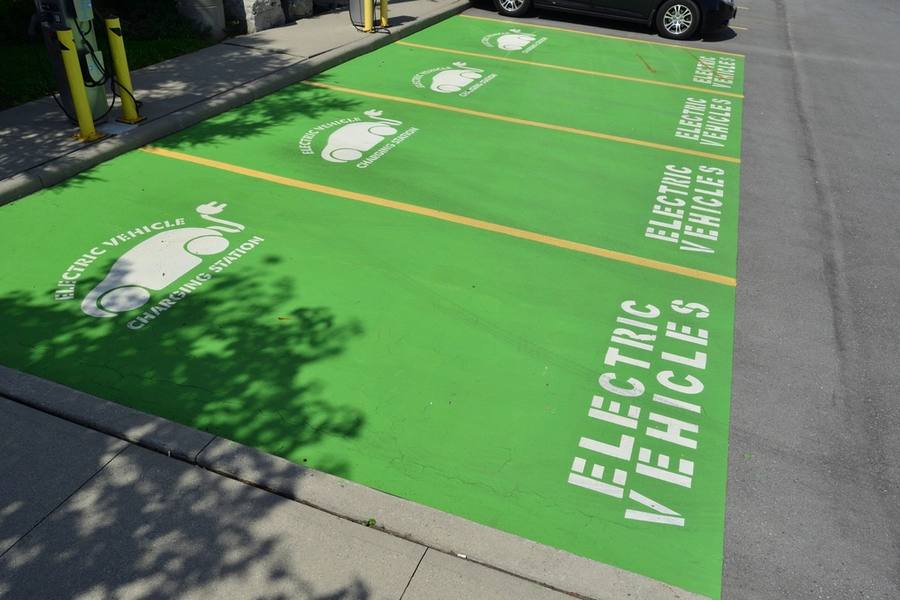
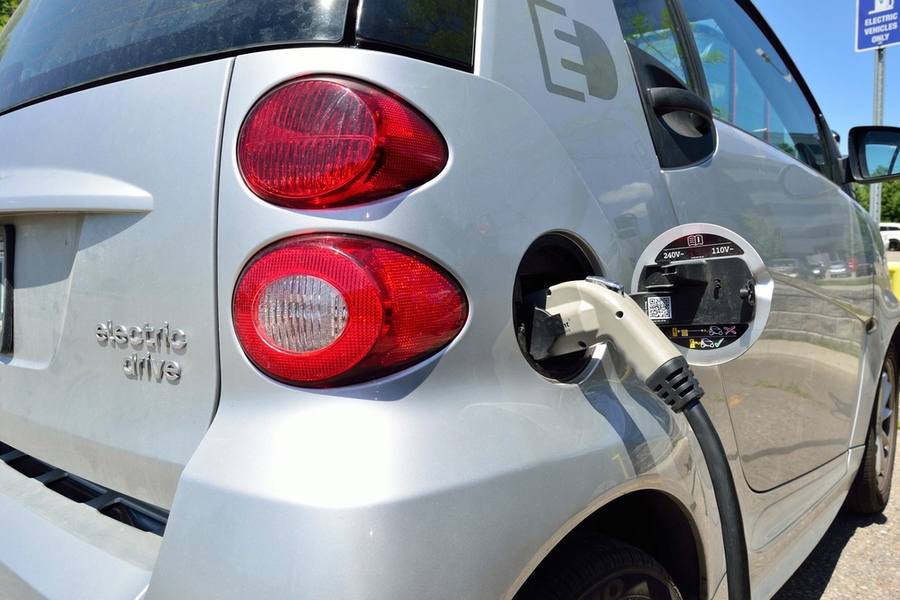
Home EV Wall Charger
Temsili görsel (stok fotoğraf); ürünün kendisi değildir.
The Charging Speed That Works
A domestic socket adds a few miles per hour. A wall unit on a dedicated circuit adds many times that, which turns overnight charging into a full battery rather than a partial top-up.
For anybody driving normal daily distances, that is the difference between charging being something you think about and something that simply happens overnight.
It also charges at a rate the circuit is designed for, rather than loading a domestic socket near its limit for hours, which is the safety argument as much as the convenience one.
Installation Is The Significant Part
A wall unit requires a dedicated circuit from the consumer unit, appropriate protective devices, and in many places notification to the network operator.
This is qualified electrician work, and in most jurisdictions it is legally required to be. It is not a self-installation job regardless of skill.
The property survey matters too, since older properties may need a consumer unit upgrade or an earthing arrangement change, and those costs can exceed the charger itself.
Tethered Or Untethered
A tethered unit has a permanently attached cable, which is convenient — plug it in and walk away — and the cable is always there and can be damaged or stolen.
An untethered unit has a socket, so you use your own cable, which means it can be locked away, works with any connector standard, and is one more thing to carry each time.
Tethered suits a single car and a private driveway; untethered suits a shared space or a household with different vehicles.
Load Management And Smart Features
Load balancing monitors whole-house consumption and reduces charging when other appliances draw heavily, which prevents tripping the main supply.
On a property with an electric shower, an oven and a heat pump, that is a genuine requirement rather than a feature.
Scheduling charging for off-peak tariff hours is where the running cost savings come from, and for anybody on a time-of-use tariff it is the single most valuable function.
Outdoor Installation And Cable Management
Units must be rated for outdoor exposure and mounted where a car can reach the charging port without the cable crossing a walkway.
A cable left lying across a path is both a trip hazard and, in many places, an offence, and thinking about where the cable will actually lie before choosing a mounting position avoids it.
Mounting height matters for cable weight and for ease of use, and too low means bending every time while too high means the cable hangs awkwardly.
Grants and support schemes exist in various places and change regularly, and they can meaningfully reduce the installed cost for eligible properties. Eligibility usually depends on off-street parking, the property type and sometimes on using an approved installer and an approved unit, which means checking before committing to a particular charger rather than afterwards. An installation arranged without checking can forfeit support that was available.
The Verdict
The correct way to charge an electric car at home, both faster and considerably safer than loading a domestic socket for hours.
Installation is qualified work with survey costs that can exceed the unit, tethered and untethered suit different situations, and load management matters on busy supplies.
Budget for the installation, not the charger. The survey, circuit and any consumer unit work frequently cost more than the unit itself.
Bir bakışta
Artılar
- Many times faster than a domestic socket
- Charges at a rate the circuit is designed for
- Load balancing prevents tripping the main supply
- Off-peak scheduling substantially reduces running cost
Eksiler
- Installation is qualified electrician work
- Consumer unit or earthing upgrades can cost more than the charger
- Tethered cables can be damaged or stolen
- Mounting position must avoid cables crossing walkways
Sıkça sorulan sorular
Can I install it myself?
No. It needs a dedicated circuit from the consumer unit with appropriate protection and, in many places, notification to the network operator. In most jurisdictions qualified installation is legally required regardless of skill.
Tethered or untethered?
Tethered for a single car on a private driveway — plug in and walk away. Untethered for a shared space or a household with different vehicles, since the cable can be locked away and works with any connector standard.
What should I budget for?
The installation rather than the charger. A survey may reveal a consumer unit upgrade or an earthing arrangement change, and those costs frequently exceed the unit itself. Get the survey before assuming a headline price.
Teknik Özellikler
| Type | Wall-mounted home charge point |
| Speed | Many times a domestic socket |
| Installation | Dedicated circuit; qualified electrician required |
| Survey | May reveal consumer unit or earthing upgrades |
| Tethered | Convenient; cable permanently attached |
| Untethered | Socket; use your own lockable cable |
| Load balancing | Essential on busy supplies |
| Scheduling | Off-peak tariff hours |
Özet
The right way to charge at home, faster and safer. Budget for the installation — it often costs more than the charger.
Amazon'da Fiyatı Kontrol Et