Domestic Electric Pressure Washer
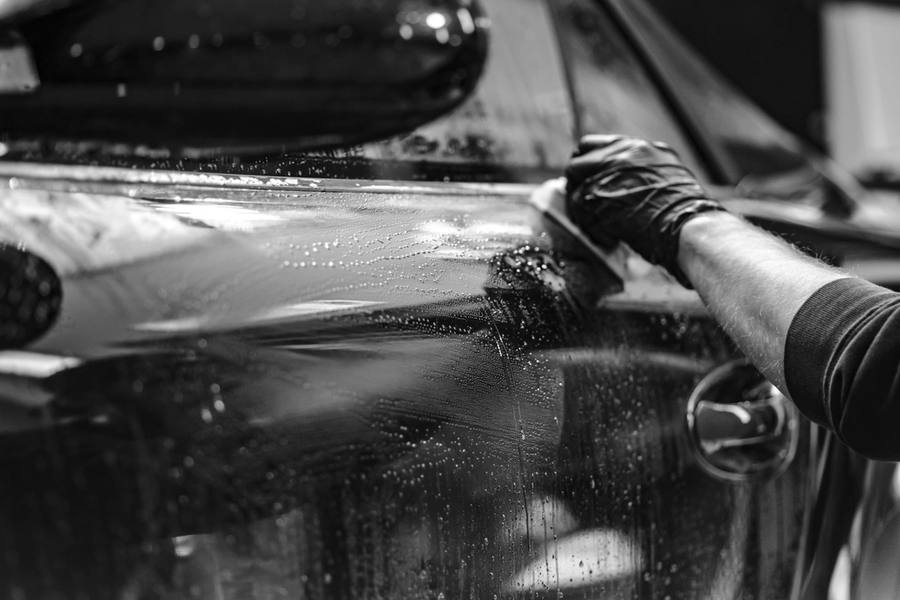
Representative image (stock photo); not the exact product.
Flow Rate Over Pressure
Pressure washers are marketed on pressure figures, and for car washing flow rate — how much water passes per minute — matters more.
Flow is what rinses dirt away and what produces thick foam from a lance. Pressure is what removes stubborn material and what damages things.
A machine with modest pressure and good flow is better for cars than a high-pressure low-flow one, and the flow figure is usually the one buried in the specifications.
Pressure Damages Cars
High pressure close to paint can lift failing lacquer, force water past seals, strip wax, damage badges and trim, and cut tyre sidewalls.
Keeping a sensible distance, using a fan pattern rather than a pencil jet, and never aiming directly at seals, edges, badges or sidewalls avoids all of it.
The pencil jet nozzle supplied with most washers should not be used on a car at all, and it is included for concrete and drains rather than vehicles.
What Else It Does
A pressure washer earns its place through everything besides the car — patios, decking, fences, drains, garden furniture and bins.
That broader usefulness is worth factoring in, since a machine bought for car washing will be used for other things far more often than expected.
Patio cleaning attachments in particular transform a slow miserable job into a fast one, and they are worth buying alongside.
Petrol Versus Electric
Electric machines are quieter, lighter, need no fuel and are entirely adequate for domestic use including car washing.
Petrol machines offer much higher flow and pressure, are loud, heavy and need maintenance, and are genuinely useful only for sustained or commercial work.
For a domestic drive with a mains socket and a tap, electric is the correct choice and petrol is more machine than the job requires.
Water Supply And Practicalities
Most domestic machines need a pressurised tap supply, and drawing from a water butt requires a self-priming machine or a separate pump.
Hose length and cable length determine whether you can reach around a car without moving the machine repeatedly, which matters more in practice than specifications suggest.
Storing it drained and frost-free matters, since water left inside a pump over winter freezes and cracks the housing, which is not repairable.
Nozzle selection is where most of the practical control comes from and most machines ship with several. A wide fan is correct for rinsing a car, a narrower fan for stubborn areas at a greater distance, and the rotary or turbo nozzle for concrete and nothing else. Learning which nozzle does what, and simply removing the pencil jet from the storage rack so it never gets grabbed by habit, prevents most accidental damage.
The Verdict
A genuinely useful domestic machine where flow rate rather than pressure determines how well it washes a car.
Pressure damages paint, seals, badges and tyres if misused, the pencil jet should never touch a car, and frost destroys a stored machine.
Drain it before winter. Water frozen inside the pump cracks the housing, and that is not a repair but a replacement.
At a glance
Pros
- Good flow rate rinses effectively and makes thick foam
- Useful for patios, fences, drains and furniture as well
- Quiet, light and needs no fuel or maintenance
- Entirely adequate for domestic car washing
Cons
- High pressure damages paint, seals, badges and tyres
- Pencil jet nozzle unsuitable for vehicles
- Most need a pressurised tap, not a water butt
- Frost destroys a machine stored with water inside
Frequently asked questions
What specification matters for car washing?
Flow rate rather than pressure. Flow is what rinses dirt away and makes thick foam from a lance; pressure is what removes stubborn material and what damages things. The flow figure is usually buried in the specifications.
Can a pressure washer damage my car?
Yes — high pressure close up lifts failing lacquer, forces water past seals, strips wax and can cut tyre sidewalls. Use a fan pattern at a sensible distance, and never use the supplied pencil jet on a vehicle.
Electric or petrol?
Electric, for domestic use. It is quieter, lighter, needs no fuel and is entirely adequate for car washing. Petrol offers much higher flow and pressure and is genuinely useful only for sustained or commercial work.
Specifications
| Type | Mains electric pressure washer |
| Key specification for cars | Flow rate, not pressure |
| Pressure risk | Lacquer, seals, badges, tyre sidewalls |
| Never use on cars | Pencil jet nozzle |
| Nozzle | Fan pattern at a sensible distance |
| Supply | Pressurised tap unless self-priming |
| Other uses | Patios, decking, fences, drains |
| Storage | Drained and frost free |
The bottom line
Buy on flow rate, not pressure, and never point the pencil jet at a car. Drain it before winter or the pump cracks.
Check Price on Amazon