EV Cable Holster and Organiser
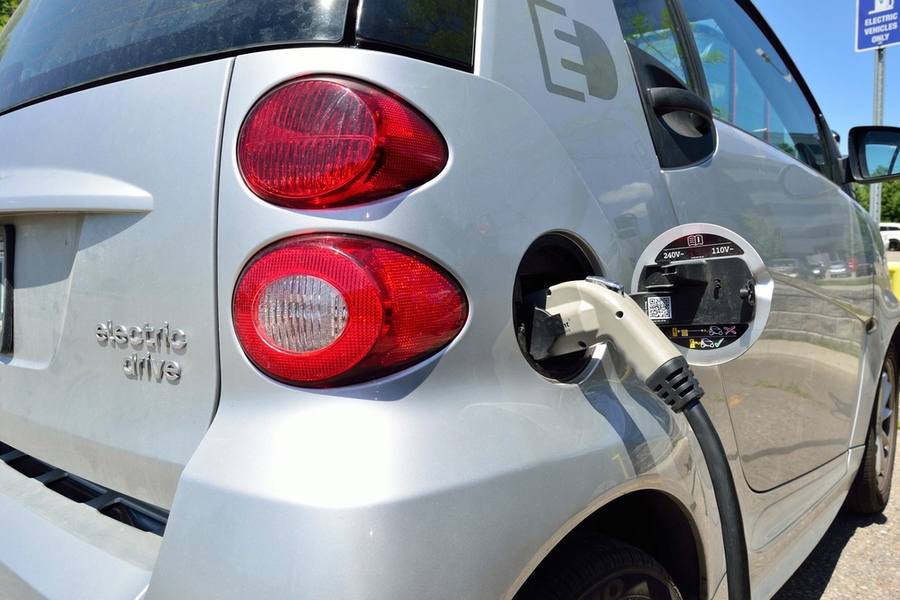
Representative image (stock photo); not the exact product.
The Connector Is The Vulnerable Part
A charging connector contains contacts and electronics and costs a meaningful amount to replace, and it is the part that ends up lying on a driveway.
Grit in the contacts, water sitting in the housing and physical damage from being driven over are all avoidable, and all happen to cables left on the ground.
A holster holds the connector at wall height, which solves all three for very little money and is the main reason to fit one.
Trip Hazards And Liability
A charging cable across a driveway or path is a genuine trip hazard, and in shared or public-facing spaces it can create liability if somebody falls.
A hook holding the coiled cable clear of the ground removes it when not in use, and thinking about the cable route while charging is the other half.
Where a cable must cross a walkway during charging, a proper cable protector ramp is the answer rather than accepting the hazard.
Coiling Without Damage
Cables have a minimum bend radius, and coiling tightly around a small hook stresses the conductors and shortens the cable life.
A wide hook or a loop holder that supports a generous coil avoids that, and cheap narrow hooks are a false economy on an expensive cable.
Coiling in consistent loops rather than figure-of-eight or random bundles prevents the twisting that makes a cable progressively harder to handle.
Outdoor Mounting
Mounting hardware must suit the wall material and be rated for outdoor use, since a cable is heavy and a fixing pulling out of a wall damages both the wall and the cable.
Positioning should keep the connector out of direct rain where possible, and under an eave or close to the charge point is usually best.
Height matters for ease of use, and a holster too high means reaching awkwardly with a heavy cable while too low defeats the purpose of getting it off the ground.
Security Considerations
A cable coiled neatly on a wall is visible and accessible, which in some locations makes it a target.
Where theft is a concern, storing the cable inside between charges is more secure, and the holster then serves during charging rather than as permanent storage.
Winter is when a holster earns its place most clearly, because a cable left coiled on cold wet ground overnight freezes stiff and is genuinely difficult to handle in the morning. A cable stored off the ground and ideally under cover stays flexible, and forcing a frozen cable into a tight coil is one of the more reliable ways to damage the conductors inside an expensive item.
Some holsters accept a padlock through the connector, which deters opportunistic removal without being a serious security measure.
Cable weight is the specification people notice only after living with one, since a longer higher-rated cable is genuinely heavy to lift, coil and carry across a car park repeatedly. Lighter cables using thinner conductors exist and are correspondingly limited in current, which brings the decision back to matching the rating to the car. Anyone who charges in public frequently will feel the weight difference far more than the length difference.
The Verdict
A cheap accessory that protects the expensive part of a charging setup and removes a genuine trip hazard.
Narrow hooks damage cables over time, outdoor fixings must be rated properly, and a visible cable can be a theft target.
Use a wide hook with a generous coil. Tight coiling around a narrow hook stresses conductors and shortens the life of an expensive cable.
At a glance
Pros
- Keeps the expensive connector off wet gritty ground
- Removes a genuine trip hazard from a driveway
- Wide hooks coil cables without stressing conductors
- Very cheap relative to a replacement cable
Cons
- Narrow hooks damage cables through tight coiling
- Outdoor fixings must suit the wall and the weight
- A visible cable can attract theft
- Wrong mounting height makes handling awkward
Frequently asked questions
Why does it matter where the cable sits?
The connector contains contacts and electronics and costs a meaningful amount. Grit in the contacts, water in the housing and being driven over all happen to cables left on the ground, and all are avoidable.
Does coiling damage a cable?
Tight coiling around a narrow hook does, because cables have a minimum bend radius and stressing the conductors shortens their life. Use a wide hook supporting a generous coil, and coil in consistent loops rather than random bundles.
Should I leave the cable outside?
A holster keeps it off the ground and out of the worst weather. Where theft is a concern, storing it indoors between charges is more secure, with the holster used during charging rather than as permanent storage.
Specifications
| Type | EV cable holster and hook |
| Protects | Connector from grit, water and damage |
| Removes | Trip hazard from coiled cable |
| Hook width | Wide, respecting bend radius |
| Mounting | Outdoor rated, suited to wall material |
| Position | Sheltered where possible, near the charge point |
| Coiling | Consistent loops, not figure of eight |
| Security | Store indoors where theft is a concern |
The bottom line
Protects the expensive connector and removes a trip hazard, cheaply. Use a wide hook — tight coiling shortens cable life.
Check Price on Amazon