Leather Cleaner and Conditioner
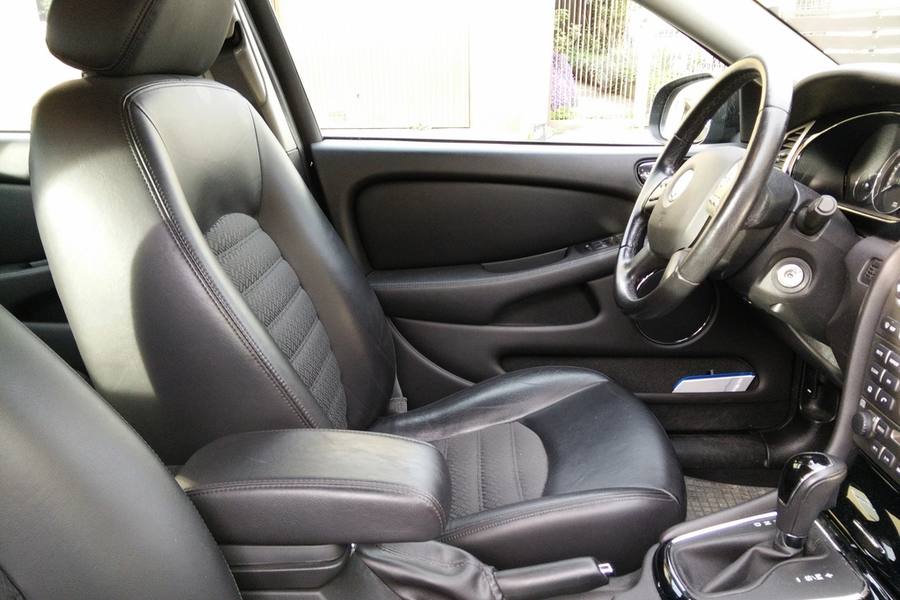
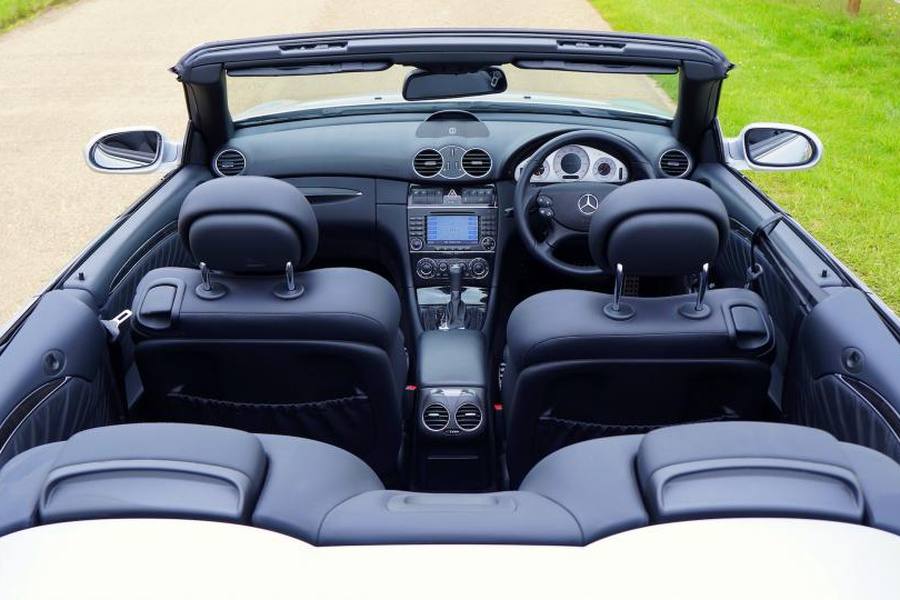
Symbolbild (Stockfoto); nicht das abgebildete Produkt.
Most Car Leather Is Coated
Nearly all modern automotive leather has a polyurethane coating over it, which is what makes it durable enough for daily use and resistant to spills.
That means products are cleaning and protecting the coating rather than feeding the leather underneath, which is the opposite of how traditional leather care is described.
Marketing about nourishing and feeding leather largely describes uncoated leather that very few cars have, and applying heavy oily products to coated leather leaves a greasy residue that attracts dirt.
Cleaning Is The Important Half
What degrades coated leather is abrasion from grit and body oils breaking the coating down, particularly on bolsters where you slide in and out.
Regular gentle cleaning with a pH-balanced product and a soft brush removes that before it does damage, and it matters far more than conditioning does.
Aggressive cleaners and all-purpose interior products strip the coating over time, which is when leather starts to look worn and eventually cracks.
What Conditioner Does On Coated Leather
On coated leather a conditioner leaves a protective layer on the coating, improves feel, and reduces the plastic sheen that cleaning alone can leave.
It is not penetrating into the hide, because the coating prevents that, and products claiming deep penetration on modern automotive leather are describing something that cannot happen.
A light application a few times a year is adequate, and applying it heavily or frequently builds residue that looks shiny and feels tacky.
Sun Is The Real Enemy
Ultraviolet exposure degrades the coating and dries the material underneath, which is why leather cracks first on seat tops and the parts facing the windscreen.
Products with UV protection help modestly, and parking in shade or using a windscreen shade helps considerably more.
A car parked outside in strong sun will see leather deteriorate regardless of how well it is conditioned, and controlling exposure is more effective than any product.
Perforated Seats And Practicalities
Perforated leather in ventilated seats has holes that product fills and will not come out of, leaving visible white deposits.
Applying product to a cloth and wiping lightly rather than spraying directly onto perforation avoids it, and any product that does get into holes should be blown out with compressed air immediately.
Testing on an inconspicuous area first matters for any car with unusual or aftermarket upholstery, since some dyed leathers transfer colour.
Bolsters are where attention pays off most, because the outer edge of the driver's seat takes the abrasion of every entry and exit and is always the first place a coating wears through. Cleaning that area more frequently than the rest of the seat, and being gentle with the brush there, slows the wear noticeably. Once the coating has gone the leather underneath absorbs dirt directly, and at that point the damage is not reversible with any product.
The Verdict
A sensible pairing for maintaining coated automotive leather, where regular gentle cleaning matters considerably more than conditioning does.
Most claims about feeding and nourishing do not apply to coated leather, heavy application leaves residue, and perforated seats need particular care.
Clean regularly and condition lightly a few times a year. The cleaning prevents the damage; the conditioning mostly improves how it feels.
Auf einen Blick
Vorteile
- pH-balanced cleaning removes the grit and oils that cause wear
- Reduces the plastic sheen cleaning alone can leave
- Improves feel and adds a protective layer
- Some products include modest UV protection
Nachteile
- Cannot feed or nourish leather through a coating
- Heavy application leaves greasy residue that attracts dirt
- Fills perforations in ventilated seats
- Cannot prevent sun damage; shade matters more
Häufig gestellte Fragen
Does conditioner feed the leather?
Not on a modern car. Nearly all automotive leather is polyurethane coated, so products work on the coating rather than penetrating the hide. Claims about deep nourishment describe uncoated leather that very few cars have.
What actually protects it then?
Regular gentle cleaning, which removes the grit and body oils that break the coating down, especially on bolsters. And shade — UV degrades the coating, and a car parked in strong sun deteriorates regardless of products.
My seats are perforated, what should I do?
Apply product to a cloth and wipe lightly rather than spraying, because product fills the holes and leaves white deposits that will not come out. Blow out anything that does get in with compressed air immediately.
Spezifikationen
| Leather type | Coated polyurethane on nearly all modern cars |
| Priority | Cleaning over conditioning |
| Cleaner | pH balanced with a soft brush |
| Conditioner frequency | Light, a few times a year |
| Cannot do | Penetrate or feed coated leather |
| Main damage cause | UV exposure and abrasion |
| Perforated seats | Apply to cloth, never spray directly |
| Most effective protection | Shade and a windscreen shade |
Fazit
Clean regularly, condition lightly. Most car leather is coated, so cleaning prevents damage and conditioning mostly improves feel.
Preis auf Amazon prüfen